In a world where “comfort is king,” remember that you need friction to flourish!
For Instructional Designers, a smooth, completely frictionless review process often feels like a win.
It is comfortable, efficient, and validates our hard work.
But, and it’s a pretty big but… comfort rarely fosters excellence.
As the ancient proverb reminds us:
As iron sharpens iron,
so one person sharpens another.
Proverbs 27:17
The reality of this metaphor is often overlooked: when iron rubs against iron to create a sharper edge, the process is loud, abrasive, and inherently uncomfortable.
It’s good for the knife, but not so good for the pieces being ground off and discarded.
Or think of gardening and pruning.
Pruning is crucial for plant health, safety, and aesthetics. It stimulates new growth, removes disease-harboring deadwood, and improves light and air circulation.
While good for the plant, pruning actually maximizes fruit and flower yields; it’s not so good for the branches and flowers being pruned, being cut off.
Again, friction is often needed for you and your content to flourish.
Why it matters to IDs
For instructional designers, this discomfort is a necessary catalyst for growth.
If your peer reviews and design critiques consist solely of polite nods and superficial praise, your work isn’t actually getting any sharper.
True collaboration requires a willingness to engage in constructive friction.
Apply it
First, do not surround yourself with “yes men.”
To elevate your next project, embrace the discomfort or the pain of progress.
During your next design critique, don’t just ask for general feedback… instead, actively invite friction.
Point to your biggest, most fundamental design assumption and ask a trusted colleague to specifically challenge it.
Sit with the discomfort that follows. It may feel painful in the moment, but by allowing your ideas to be tested and refined, you will ultimately create a more robust, impactful learning experience. Growth lives on the other side of comfort.
You don’t have to like The Sex Pistols or punk rock to appreciate what they did for the music scene in the late 70s.
The 1976 Sex Pistols concerts at Manchester’s Lesser Free Trade Hall are legendary because attendees went on to form some of the most iconic bands in alternative rock history.
Bands that emerged directly from those in attendance include:
Joy Division / New Order (Bernard Sumner and Peter Hook)
The Smiths (Morrissey)
The Fall (Mark E. Smith)
Buzzcocks (Pete Shelley and Howard DeVoto)
Simply Red (Mick Hucknall)
Why? Because The Sex Pistols showed their audience that *they* could do it!
They proved it was possible for the “average Joe” to be in a band.
“Up until that point, I thought you had to be a born musician, and music was about virtuosity… You would say I could never do anything like that. I thought if The Sex Pistols can do it, we can do it. And that was the essence of punk.”
Our content, training, eLearning, etc., needs to show our audience that they can actually do what it is that we are asking them to do.
Not just show them how to do it.
Not just inform them why to do it.
But they must also show them that they can indeed do what we are asking them to do.
It needs to show them that not only is it possible… but it is possible for them to do.
Apply it
What can you add to or include in your next course that will help your audience gain the confidence to do what it is you are asking them to do?
A hands-on demo?
A step-by-step job aid take-away?
What else?
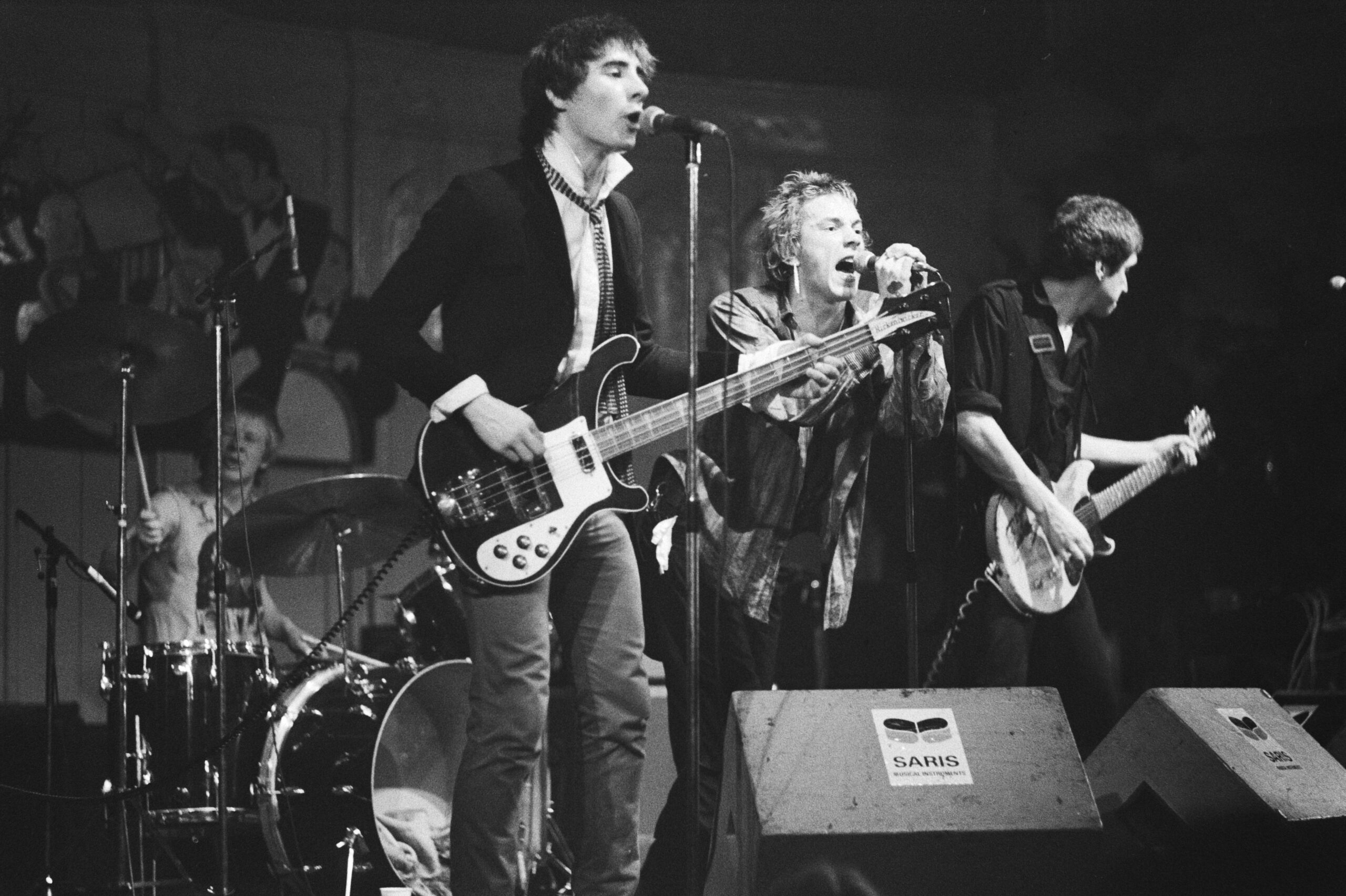
The Sex Pistols Photograph: Koen Suyk. In: Nationaal Archief, Den Haag, Rijksfotoarchief: Fotocollectie Algemeen Nederlands Fotopersbureau (ANEFO), 1945-1989 – negatiefstroken zwart/wit, nummer toegang 2.24.01.05, bestanddeelnummer 928-9665, CC0, via Wikimedia Commons
Genius is overrated. “Scenius” — the creative power of a scene — is what actually produces breakthroughs.
Think about music scenes:
Memphis and the rise of Rock and Roll
Nashville and the popularization of country music
London and the rise of punk
NYC and the rise of punk and New Wave
Madchester and the birth of Post Punk and rave culture
Detroit and the invention/popularization of techno
Seattle and the birth of the Grunge scene
Every one of these musical movements was initiated, instigated, and instituted by the scene, the scenious if you will, and not by one solitary musical genius.
Why it matters to IDs
As Instructional Designers, we often design alone.
But the best learning ecosystems, like the best music scenes, are built collectively.
Iron sharpens iron.
As an old African proverb says:
“If you want to go fast, go alone. If you want to go far, go together.”
Apply it
Who are the 3–5 people outside your team whose perspectives could sharpen the next project that you can reach out to?